Overview
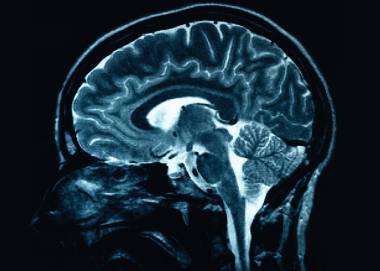
A brain abscess is a pus-filled swelling in the brain. It usually occurs when bacteria or fungi enter the brain tissue after an infection or severe head injury.
Although the risk of developing a brain abscess is extremely low in Wales, it is a life-threatening condition and should be diagnosed and treated as soon as possible.
Symptoms of a brain abscess
The symptoms of a brain abscess may develop quickly or slowly but can include:
- headache – which is often severe, located in a single section of the head and can't be relieved with painkillers
- changes in mental state – such as confusion or irritability
- problems with nerve function – such as muscle weakness, slurred speech or paralysis on one side of the body
- a high temperature
- seizures (fits)
- feeling sick
- being sick
- stiff neck
- changes in vision – such as blurring, greying of vision or double vision (due to the abscess putting pressure on the optic nerve)
When to get medical advice
Any symptoms that suggest a problem with the brain and nervous system should be treated as a medical emergency. These include:
- slurred speech
- muscle weakness or paralysis
- seizures occurring in a person with no previous history of seizures
If you or someone you know experiences any of these symptoms, phone 999 immediately and ask for an ambulance.
Any symptoms that suggest a worsening infection, such as a high temperature or being sick, should be reported to your GP immediately.
If you are unable to contact your GP surgery/PCS call 111 to speak to a nurse. 111 is available 24 hours a day, every day. For patients' safety, all calls are recorded. 111 is free to call.
Causes of a brain abscess
There are 3 main ways a brain abscess can develop. These are:
- an infection in another part of the skull – such as an ear infection, sinusitis or dental abscess, which can spread directly into the brain
- an infection in another part of the body – for example, the infection that causes pneumonia spreading into the brain via the blood
- trauma, such as a severe head injury – that cracks open the skull, allowing bacteria or fungi to enter the brain
However, in some cases, the source of the infection remains unknown.
Diagnosing a brain abscess
If a brain abscess is suspected, an initial assessment will be made based on your symptoms, medical history and whether you've had a recent infection or a weakened immune system.
Blood tests can also be carried out to check for an infection.
If you're referred to hospital for further tests, you may have either:
- a CT scan – a series of X-rays are used to produce a detailed image of the inside of your body
- an MRI scan – which uses strong magnetic fields and radio waves to produce a detailed image of the inside of your body.
If an abscess is found, a procedure known as CT-guided aspiration may be used to remove a sample of pus for testing. This involves using a CT scan to guide a needle to the site of the abscess.
Treating a brain abscess
A brain abscess is regarded as a medical emergency. Swelling caused by the abscess can disrupt the blood and oxygen supply to the brain. There's also a risk of the abscess bursting (rupturing).
If left untreated, a brain abscess can cause permanent brain damage and could be fatal.
A brain abscess is usually treated using a combination of:
- medication – either antibiotics or antifungals
- surgery – either draining the pus through a hole in the skull (simple aspiration) or opening the skull and removing the abscess entirely (craniotomy)
Treatment with antibiotics often begins before a diagnosis is confirmed, to reduce the risk of complications.
Complications of a brain abscess
Complications of a brain abscess can include:
- a reoccurring abscess – seek immediate medical advice if you think there's even a small chance your abscess has reoccurred; this is more common in people with a weakened immune system or cyanotic heart disease
- brain damage – mild to moderate brain damage often improves with time but severe brain damage is likely to be permanent; brain damage is more of a risk if diagnosis and treatment are delayed
- epilepsy – where a person has repeated seizures (fits)
- meningitis – a life-threatening infection of the protective membranes around the brain, which requires urgent treatment; this is more common in children
Who can get it
A brain abscess is usually caused by infection with either bacteria or fungi.
If the immune system is unable to kill an infection, it will try to limit its spread by using healthy tissue to form an abscess, to stop the pus infecting other tissue.
Infections of the brain are rare because the body has evolved a number of defences to protect this vital organ. One of these is the blood-brain barrier, a thick membrane that filters out impurities from blood before allowing it into your brain.
However, in some cases, germs can get through these defences and infect the brain.
Although the exact location of the original infection cannot always be identified, the most common sources are described below.
Infection in the skull
In up to half of cases, the brain abscess occurs as a complication of a nearby infection in the skull, such as:
- a persistent middle ear infection (otitis media)
- sinusitis – an infection of the sinuses, the air-filled cavities inside the cheekbones and forehead
- mastoiditis – infection of the bone behind the ear
This used to be a major cause of brain abscesses, but because of improved treatments for infections, a brain abscess is now a rare complication of these kinds of infection.
Infection through the bloodstream
Infections spread through the blood are thought to account for around 1 in 4 cases of brain abscesses.
People with a weakened immune system have a higher risk of developing a brain abscess from a blood-borne infection. This is because their immune system may not be capable of fighting off the initial infection.
You may have a weakened immune system if you:
- have a medical condition that weakens your immune system – such as HIV or AIDS
- receive medical treatment known to weaken the immune system – such as chemotherapy
- have an organ transplant and take immunosuppressant medicines to prevent your body rejecting the new organ
The most commonly reported infections and health conditions that may cause a brain abscess are:
- cyanotic heart disease – a type of congenital heart disease (a heart defect present at birth) where the heart is unable to carry enough oxygen around the body; this lack of a regular oxygen supply makes the body more vulnerable to infection
- pulmonary arteriovenous fistula – a rare condition in which abnormal connections develop between blood vessels inside the lungs; this can allow bacteria to get into the blood and, eventually, the brain
- a dental abscess or treatment for tooth decay
- lung infections – such as pneumonia or bronchiectasis
- infections of the heart – such as endocarditis
- skin infections
- infections of the abdomen – such as peritonitis (an infection of the bowel lining)
- pelvic infections – such as infection of the bladder lining (cystitis)
Infection after a head injury
Direct trauma to the skull can also lead to a brain abscess and is thought to be responsible for 1 in 10 cases.
The most commonly reported causes include:
In rare cases, a brain abscess can develop as a complication of neurosurgery.
Treatment
Treatment for a brain abscess usually involves a combination of medicines and surgery, depending on the size and number of brain abscesses.
A brain abscess is a medical emergency, so you'll need treatment in hospital until your condition is stable.
Treatment with medicines often begins before a diagnosis is confirmed to reduce the risk of complications.
Medicines
In some cases, it may be possible to treat an abscess with medicine alone, or surgery may be too risky.
Medicines are recommended over surgery if you have:
- several abscesses
- a small abscess (less than 2cm)
- an abscess deep inside the brain
- meningitis (an infection of the protective membranes that surround the brain) as well as an abscess
- hydrocephalus (a build-up of fluid on the brain)
You'll normally be given antibiotics or antifungal medication through a drip, directly into a vein. Doctors will aim to treat the abscess and the original infection that caused it.
Surgery
If the abscess is larger than 2cm, it's usually necessary to drain the pus out of the abscess. However, you'll still need a course of antibiotics after surgery.
There are 2 surgical techniques for treating a brain abscess:
- simple aspiration
- craniotomy
Simple aspiration involves using a CT scan to locate the abscess and then drilling a small hole known as a "burr hole" into the skull. The pus is drained and the hole is sealed.
A simple aspiration takes around an hour to complete.
Open aspiration and excisions are usually carried out using a surgical procedure known as a craniotomy.
Craniotomy
A craniotomy may be recommended if an abscess doesn't respond to aspiration or reoccurs at a later date.
During a craniotomy, the surgeon shaves a small section of your hair and removes a small piece of your skull bone (a bone flap) to gain access to your brain.
The abscess is then drained of pus or totally removed. CT-guidance may be used during the operation, to allow the surgeon to more accurately locate the exact position of the abscess.
Once the abscess has been treated, the bone is replaced. The operation usually takes around 3 hours, which includes recovery from general anaesthetic, where you're put to sleep.
Complications of a craniotomy
As with all surgery, a craniotomy carries risks, but serious complications are uncommon.
Possible complications of a craniotomy may include:
- swelling and bruising around your face – which is common after a craniotomy and should lessen after the operation
- headaches – these are common after a craniotomy and may last several months, but should eventually settle down
- a blood clot in the brain – further surgery may be required to remove it
- stiff jaw – the surgeon may need to make a small cut to a muscle that helps with chewing, which will heal but can become stiff for a few months; exercising the muscle by regularly chewing sugar-free gum should help relieve the stiffness
- movement of the bone flap – the bone flap in your skull may feel like it moves and you may experience a clicking sensation; this can feel strange, but it's not dangerous and will stop as the skull heals
The site of the cut (incision) in your skull can become infected, although this is uncommon. You're usually given antibiotics around the time of your operation to prevent infection.
Recovering from surgery
Once your brain abscess has been treated, you'll probably stay in hospital for several weeks so your body can be supported while you recover.
You'll also receive a number of CT scans, to make sure the brain abscess has been completely removed.
Most people need a further 6 to 12 weeks rest at home before they're fit enough to return to work or full-time education.
After treatment for a brain abscess, avoid any contact sport where there's a risk of injury to the skull, such as boxing, rugby or football.
Advice for drivers
If you've had brain surgery and you hold a driving licence, you're legally required to inform the Driving and Vehicle Licensing Agency (DVLA).
It's likely that the DVLA will suspend your driving licence due to your increased risk of having a seizure. Your licence will only be returned once your GP or surgeon confirms it's safe for you to drive.
For most people, this is likely to be 12 months after surgery without having any seizures during this time.